
Have you ever reached January and wondered where all your money has gone?
After the excitement of Christmas, the New Year can sometimes bring a financial reality check. Presents, food, decorations, celebrations and other festive expenses can quickly add up, leaving some households feeling the pressure when January arrives.
With Christmas approaching, now is a good time to think about how much you plan to spend, what you can realistically afford and how you can avoid putting unnecessary pressure on your finances in the New Year.
A little planning now could make a big difference when January comes around.
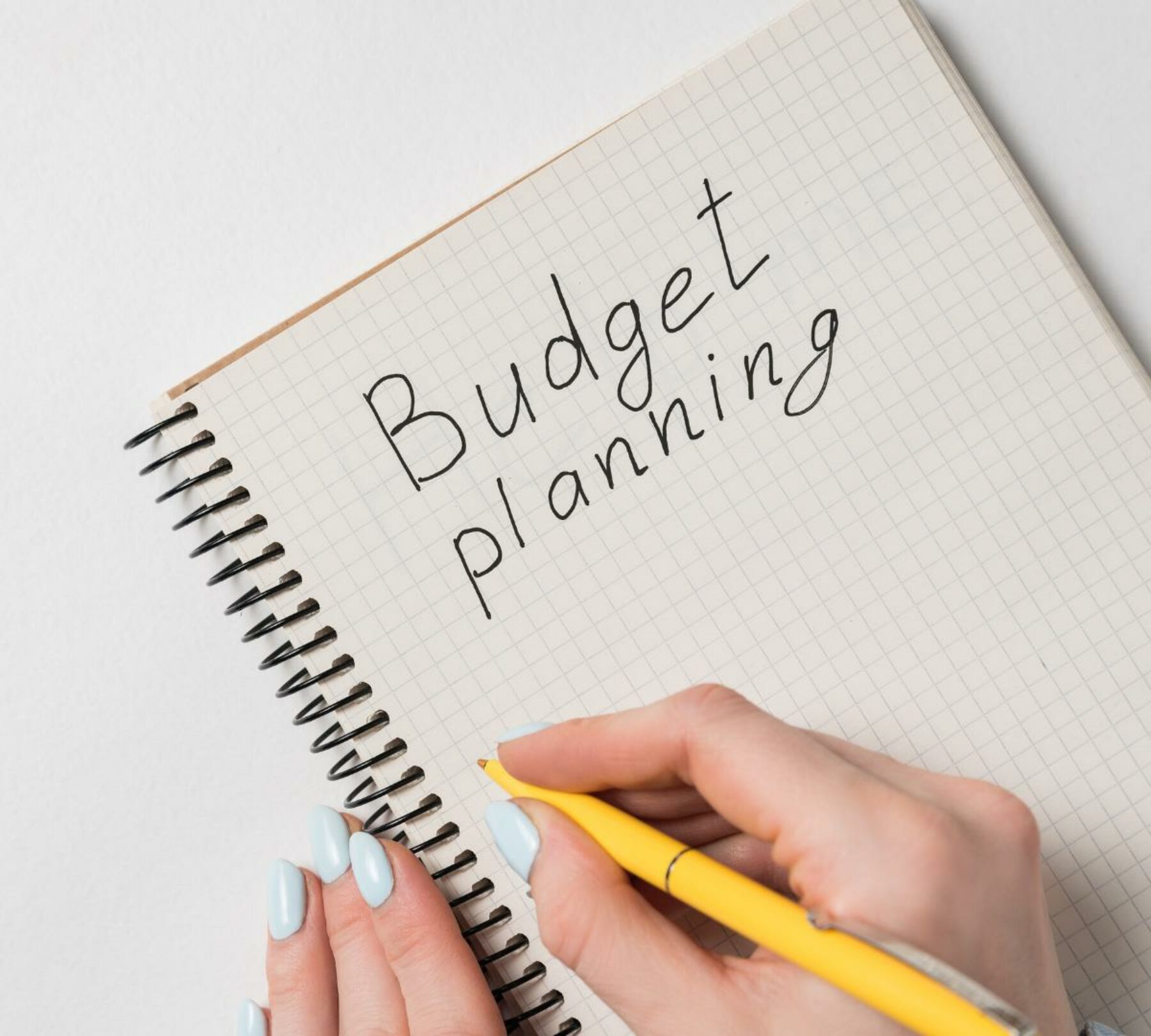
It’s easy to get caught up in the excitement of Christmas and spend more than you originally planned. Setting a budget before you start shopping can help you keep track of your spending.
Think about everything you might need to pay for, including:
Decide how much you can comfortably afford to spend and try to stick to it. Remember, Christmas doesn’t have to be expensive to be special.
Budget PlannerOne of the easiest things to overlook when planning for Christmas is what happens afterwards.
Your usual household bills, rent, mortgage payments and other regular expenses will still need to be paid in January. You may also have credit card bills or Buy Now, Pay Later repayments from Christmas purchases to think about.
Before spending, consider what money you will need to keep back for the New Year. Try not to use money that is already needed for essential bills and everyday expenses.
Credit cards and Buy Now, Pay Later services can make it tempting to spread the cost of Christmas. However, it’s important to remember that these payments will still need to be made in the weeks and months that follow.
Before using credit, think carefully about whether you can afford the repayments alongside your usual outgoings.
Try not to borrow more than you can comfortably repay, and avoid taking on additional borrowing simply to cover existing Christmas spending.
If you can afford to, putting some money aside before Christmas can help give you a little breathing room when January arrives.
You don’t necessarily need to save large amounts. Even small, regular contributions can build up over time.
For example, saving just £3 a week adds up to £12 a month or £156 over a year.
Having some savings to fall back on can help with unexpected expenses and reduce the pressure of relying on credit when money is tight.
We offer a range of savings accounts to help our members put money aside and work towards their savings goals.
Sometimes, despite our best efforts, money worries can happen. If you find yourself struggling after Christmas, try not to ignore the situation.
Start by looking at your income and essential outgoings so you can understand where your money is going. If you’re worried about keeping up with payments, contact the organisations you owe money to as early as possible.
There are also organisations that offer free, independent debt advice and support, including Citizens Advice and StepChange.
Remember, asking for help is nothing to be embarrassed about.
Christmas should be a time to enjoy yourself, spend time with loved ones and make memories. But it’s also worth thinking about how your festive spending might affect you once the celebrations are over.
By setting a realistic budget, keeping an eye on your spending and putting a little aside where possible, you can help reduce the financial pressure that January sometimes brings.
Find out more about our savings accounts and how you can start saving.